Building Social Connections: Encouraging Communication in Kids with Autism
Social connections play a vital role in a child’s development, but for children with autism, engaging in social interactions can be challenging. Speech therapy provides valuable strategies to help kids develop communication skills, express their needs, and foster relationships with peers and family members. In this article, we’ll explore effective speech therapy strategies that encourage social communication in children with autism.
Understanding Social Communication Challenges
Children with autism often experience difficulties in:
- Understanding and using verbal and non-verbal communication.
- Engaging in reciprocal conversations.
- Interpreting social cues like facial expressions, tone of voice, and body language.
- Maintaining eye contact and turn-taking in conversations.
These challenges can make forming social connections overwhelming. However, targeted speech therapy strategies can help children navigate these difficulties and build meaningful relationships.
Speech Therapy Strategies for Social Communication
1. Encouraging Functional Communication
Functional communication focuses on teaching children how to express their needs, wants, and feelings effectively. Strategies include:
- Using Augmentative and Alternative Communication (AAC) devices or picture exchange systems for non-verbal children.
- Modeling simple phrases such as “I need help” or “I want more.”
- Reinforcing communication attempts with positive feedback.
2. Developing Joint Attention Skills
Joint attention is the ability to share focus on an object or activity with another person. To encourage joint attention:
- Use interactive games like peek-a-boo or rolling a ball back and forth.
- Engage in activities that require shared focus, such as looking at books together.
- Provide verbal and visual cues to guide the child’s attention.
3. Practicing Turn-Taking and Conversational Skills
Turn-taking is essential for social communication. Speech therapy activities to build these skills include:
- Playing board games or structured activities that require taking turns.
- Practicing back-and-forth exchanges using preferred topics of interest.
- Using social scripts to help children learn conversation starters and responses.
4. Using Visual Supports
Visual supports help children understand social expectations and improve comprehension. These can include:
- Social stories that illustrate different social scenarios and appropriate responses.
- Visual schedules to provide structure and reduce anxiety in social situations.
- Emotion charts to help children recognize and express their feelings.
5. Encouraging Play-Based Learning
Play is an excellent way to develop social communication skills. Strategies include:
- Engaging in pretend play to practice role-playing social interactions.
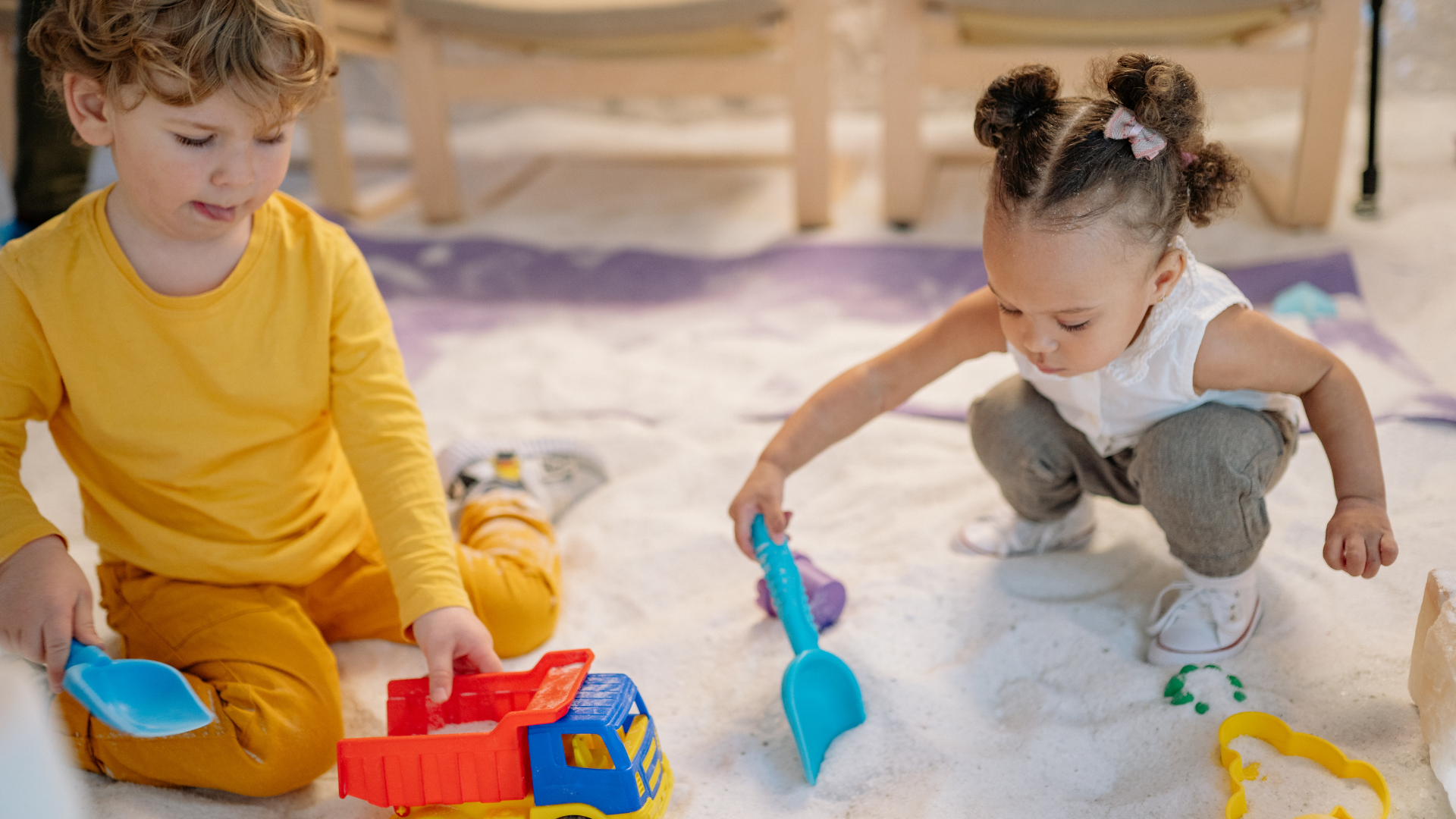
- Encouraging parallel play, then gradually introducing cooperative play.
- Using toys and activities that promote shared experiences and problem-solving.
6. Facilitating Peer Interactions
Helping children build friendships and interact with peers is crucial. Speech therapists and caregivers can:
- Organize small group activities where children can practice social skills in a structured setting.
- Use guided playdates with peers who understand and support communication differences.
- Model and reinforce positive social behaviors through structured role-playing exercises.
7. Teaching Emotional Regulation and Perspective-Taking
Understanding emotions and the perspectives of others can enhance social connections. Strategies include:
- Using role-playing to practice recognizing and responding to different emotions.
- Encouraging discussions about characters in stories to explore different viewpoints.
- Teaching self-regulation techniques such as deep breathing and sensory breaks.
The Role of Parents and Caregivers
Parents and caregivers play a significant role in reinforcing social communication skills at home. Ways to support social development include:
- Engaging in daily conversations and encouraging communication in natural settings.
- Providing opportunities for social interactions through community activities.
- Celebrating progress and reinforcing positive communication behaviors.
Resources
For further reading and evidence-based strategies, consider these resources:
- Paul, R. & Norbury, C. F. (2012). Language Disorders from Infancy Through Adolescence: Listening, Speaking, Reading, Writing, and Communicating. Mosby.
- Wetherby, A. M., & Prizant, B. M. (2000). Autism Spectrum Disorders: A Transactional Developmental Perspective. Brookes Publishing.
- Koegel, R. L., & Koegel, L. K. (2006). Pivotal Response Treatments for Autism: Communication, Social, and Academic Development. Brookes Publishing.
Conclusion
Building social connections for children with autism requires patience, practice, and the right strategies. Speech therapy interventions, combined with support from parents and caregivers, can help children develop essential communication skills, foster relationships, and gain confidence in social settings. By implementing these techniques, we can create an inclusive and supportive environment where every child has the opportunity to thrive socially and emotionally.
Quality ABA Therapy in New Jersey, Now servicing; Cherry Hill, Voorhees, Camden, Mount Laurel, Gloucester, Deptford, Burlington, Marlton and throughout Burlington, Hudson, Middlesex, Union, Camden and Gloucester Counties. We’re currently enrolling! Contact us to learn more and to get started.